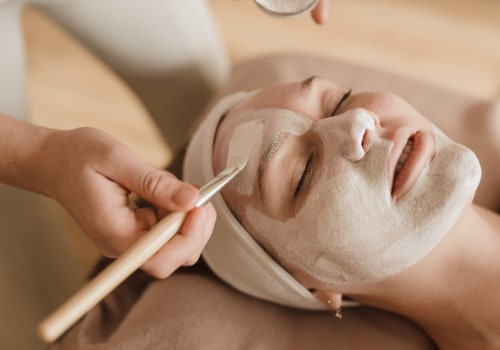
Aesthetic spa treatments have become increasingly popular as more people seek noninvasive and minimally invasive ways to improve their appearance and overall well-being. While many of these treatments are generally safe when performed correctly, safety depends heavily on the provider’s expertise, the quality of the facility, and the suitability of the treatment for each individual. Procedures such as facials, chemical peels, injectables, laser therapies, and body contouring all carry varying levels of risk, which makes informed decision-making essential. Understanding how treatments work, what credentials to look for, and how to evaluate a spa’s standards can help clients feel confident and protected when pursuing aesthetic care.
The Importance of Qualified Professionals
One of the most critical factors in treatment safety is the qualification of the professionals performing the services. Reputable aesthetic spas employ licensed medical professionals or highly trained specialists who operate under proper medical supervision. These providers should have in-depth knowledge of skin anatomy, contraindications, and potential side effects. Before undergoing any procedure, clients should feel comfortable asking about certifications, training, and experience with the specific treatment they are considering. A knowledgeable provider will take time to assess medical history, discuss realistic outcomes, and explain both benefits and risks clearly.
Evaluating the Facility and Technology
The safety of aesthetic treatments is also closely tied to the environment in which they are performed. Cleanliness, sterilization protocols, and well-maintained equipment are nonnegotiable standards in any reputable spa. Modern technology that is FDA-cleared or medically approved adds another layer of protection, as outdated or poorly calibrated devices can increase the risk of burns, infections, or unsatisfactory results. Visiting the facility in advance, observing how staff follow hygiene practices, and noting the overall professionalism of the space can offer valuable insight into a spa’s commitment to client safety. Established locations such as Apollo House often emphasize high standards of care, advanced equipment, and a professional atmosphere that supports safe treatment experiences.
Personalized Consultations and Honest Communication
Safe aesthetic care begins with a thorough consultation. During this process, a provider should evaluate skin type, health conditions, lifestyle factors, and treatment goals before making recommendations. Personalized care reduces the likelihood of adverse reactions and helps ensure that treatments are appropriate rather than excessive. Clients should be wary of providers who push procedures without adequate assessment or promise unrealistic results. Honest communication, clear consent forms, and detailed aftercare instructions are all signs of a responsible practice that prioritizes long-term well-being over quick sales.
Aftercare and Ongoing Support
Post-treatment care is just as important as the procedure itself. Proper aftercare instructions help minimize side effects and support optimal healing. A reputable provider will explain what to expect, how to care for the treated area, and when to seek medical attention if concerns arise. Follow-up availability also matters, as ongoing support ensures that any unexpected reactions are addressed promptly and professionally.
Making Informed, Confident Choices
Aesthetic spa treatments can be safe and rewarding when approached thoughtfully. By choosing qualified professionals, evaluating facilities carefully, prioritizing personalized consultations, and committing to proper aftercare, individuals can significantly reduce risks. Informed choices empower clients to enjoy aesthetic enhancements with confidence, knowing their health and safety remain the top priority.